

The automotive industry is changing rapidly. From electric vehicles and lightweight performance systems to custom motorcycle upgrades and precision-engineered aftermarket parts, manufacturers today face increasing pressure to deliver stronger, lighter, and more reliable components.
At the same time, consumer expectations continue to rise. Drivers and motorcycle enthusiasts now expect improved performance, tighter tolerances, longer service life, and better customization options across both OEM and aftermarket applications.
As a result, precision CNC machining has become one of the most important manufacturing technologies in modern automotive production.
Industry trends continue moving toward advanced engineering, material optimization, and highly accurate component manufacturing throughout the automotive supply chain. Automotive engineering sectors increasingly rely on precision manufacturing technologies to support evolving vehicle platforms and performance standards.
Why Precision Matters More in Modern Vehicles
Today’s automotive and motorcycle systems are far more sophisticated than previous generations.
Modern vehicles contain highly engineered assemblies where even small dimensional inconsistencies can affect:
Engine efficiency
Fuel economy
Thermal management
Suspension stability
Sensor performance
Vibration control
Safety systems
This is especially important in electric vehicles and performance motorcycles, where lightweight construction and compact designs require tighter manufacturing tolerances than ever before.
Precision machining helps manufacturers maintain consistency across critical automotive components such as:
Brake system parts
Suspension fittings
Transmission components
Sensor housings
Engine connectors
Fluid control fittings
Steering system components
Motorcycle performance parts
As tolerances become tighter, manufacturers increasingly rely on CNC machining and Swiss machining technologies to ensure repeatable production quality.
The Growing Role of CNC Machining in Automotive Manufacturing
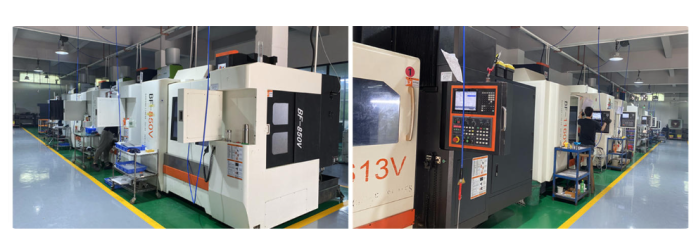
CNC machining has become essential because it allows manufacturers to produce highly accurate metal parts with consistent repeatability.
Unlike conventional manufacturing methods, CNC systems use computer-controlled machining processes that minimize variation during production.
For automotive applications, this creates several important advantages.
Better Dimensional Accuracy
Automotive systems rely heavily on precise fitment between components. Even minor dimensional variation can affect assembly performance or long-term durability.
Precision CNC machining supports tight tolerances required for high-performance automotive and motorcycle parts.
Improved Surface Finish
Surface quality directly impacts wear resistance, sealing performance, and mechanical reliability.
Precision machining allows manufacturers to achieve smooth finishes that improve component longevity while reducing secondary finishing operations.
Faster Production Efficiency
Automotive supply chains require scalable manufacturing.
Modern CNC systems support rapid prototyping as well as stable production for medium- and high-volume orders, helping manufacturers shorten development timelines while maintaining consistency.
Compatibility With Advanced Materials
Vehicle manufacturers increasingly use advanced metals and engineering plastics to reduce weight and improve efficiency.
CNC machining supports materials commonly used in automotive manufacturing, including:
Aluminum alloys
Stainless steel
Titanium
Brass
Carbon steel
Engineering plastics
Each material requires specialized machining strategies to ensure stability and accuracy throughout production.
Motorcycle Manufacturing Is Becoming More Precision-Driven
Motorcycle manufacturing is also experiencing major changes.
Performance riders increasingly demand custom-machined parts that offer both improved functionality and enhanced appearance. This has created strong demand for precision-machined motorcycle components used in:
Brake systems
Clutch assemblies
Suspension upgrades
Handlebar fittings
Engine components
Chassis systems
Custom accessories
Manufacturers serving this market must balance durability, lightweight design, and aesthetic quality simultaneously.
This is one reason why many suppliers are investing in advanced CNC turning and Swiss machining technologies capable of producing intricate small components with exceptional consistency.
Companies specializing in motorcycle and automotive parts CNC machining increasingly support manufacturers seeking precision-engineered components for both OEM production and aftermarket applications.
Electric Vehicles Are Reshaping Manufacturing Requirements
The rapid growth of EV platforms is also changing automotive manufacturing priorities.
Electric vehicles contain many precision components that require high dimensional stability and excellent thermal performance.
Examples include:
Battery system hardware
Cooling system components
Sensor housings
Lightweight structural parts
Electrical connectors
Precision motor components
These applications often require machining suppliers capable of maintaining strict consistency while working with lightweight and heat-sensitive materials.
At the same time, EV manufacturers continue prioritizing weight reduction strategies to improve driving range and efficiency.
This trend is accelerating demand for precision-machined aluminum and lightweight alloy components throughout the automotive industry.
Engineering Support Has Become More Important
Modern automotive manufacturing is no longer simply about production capacity.
Manufacturers increasingly prefer suppliers capable of contributing engineering expertise during early development stages.
Strong manufacturing partners can help with:
Design optimization
Material selection
Tolerance analysis
Manufacturability improvements
Prototype refinement
Production scalability
This collaborative approach helps reduce development risk while improving overall production efficiency.
Many companies looking for reliable CNC machining solutions for automotive parts now prioritize suppliers with both machining capability and engineering experience.
Quality Control Is Essential in Automotive Production
Automotive parts operate in demanding environments involving:
Heat
Vibration
Friction
Mechanical stress
Corrosion exposure
Because of this, quality control remains one of the most important aspects of automotive manufacturing.
Reliable machining suppliers typically implement:
In-process inspection
Material traceability
Precision measurement systems
Surface finish verification
Batch consistency monitoring
These quality systems help manufacturers reduce defects while improving long-term component reliability.
As vehicle technology becomes increasingly advanced, quality expectations across the automotive supply chain will continue rising.
The Future of Automotive Precision Manufacturing
Automotive manufacturing is entering a new era shaped by electrification, lightweight engineering, intelligent systems, and advanced mobility technologies.
As these trends continue developing, precision machining will remain a critical part of automotive production.
Future growth areas will likely include:
EV component manufacturing
Lightweight structural systems
Smart sensor integration
Autonomous vehicle hardware
High-performance motorcycle components
Precision aftermarket upgrades
Manufacturers capable of combining engineering knowledge, process stability, and precision machining expertise will be positioned to support the next generation of automotive innovation.
For automotive and motorcycle industries alike, precision manufacturing is no longer simply a production method. It has become a competitive advantage that directly impacts product performance, reliability, and long-term success.
